Vietnamese Dragon Fruit Export to Australia: Import Guide
Vietnamese dragon fruit export to Australia offers opportunities for importers, wholesalers and fresh produce distributors. The fruit is popular for its vibrant appearance, refreshing taste and distinctive tropical flavour.
However, successful importing requires more than high-quality fruit. Australian importers must also comply with strict biosecurity rules, food safety standards and documentation requirements.
At Viet Fruit Trading, we focus on quality, careful sourcing and reliable export service. In this guide, we explain how to import Vietnamese dragon fruit to Australia and what buyers should consider when choosing a supplier.
Why Choose Vietnamese Dragon Fruit?
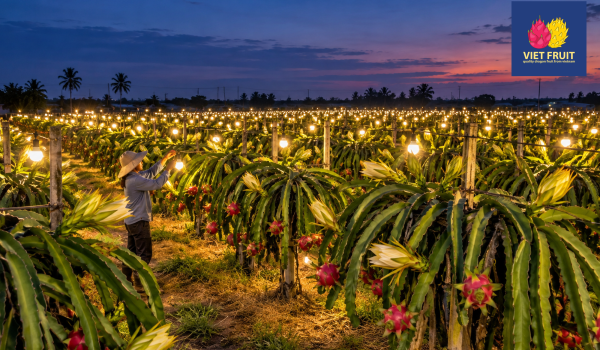
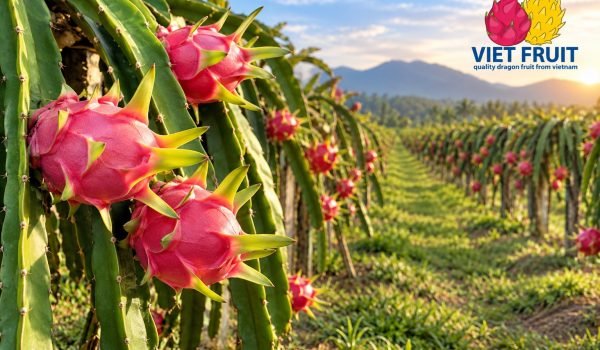
Vietnam is an established producer of fresh dragon fruit. Its tropical climate and commercial growing regions support the production of red-flesh and white-flesh varieties.
Furthermore, Vietnam has an established supply chain for fresh fruit exports. This allows exporters to coordinate sourcing, grading, packing and international shipping.
Australian buyers can choose from several types of Vietnamese dragon fruit.
Red-flesh dragon fruit: This variety has vibrant flesh and a sweet, refreshing flavour.
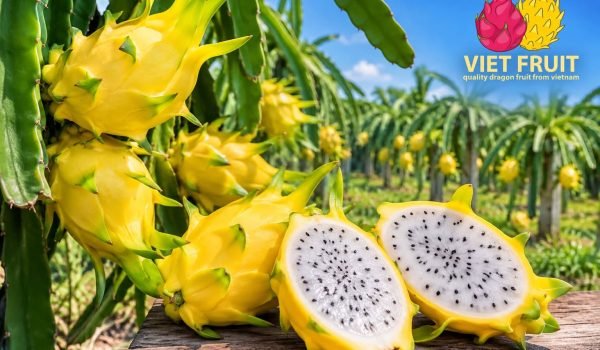
White-flesh dragon fruit: This variety offers mild sweetness and a crisp texture.
Other specialty varieties: Depending on availability, buyers may also enquire about yellow or purple dragon fruit, subject to applicable import conditions.
In addition, exporters can arrange different fruit sizes, carton weights and packing specifications.
For Australian importers, consistency is essential. Therefore, buyers should agree on fruit quality, sizing, packaging and delivery schedules before confirming an order.
Australian Import Requirements for Vietnamese Dragon Fruit
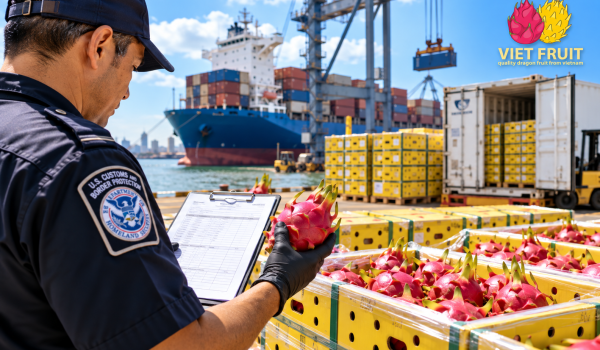
Australia maintains strict biosecurity controls to protect its agricultural industries and natural environment. Consequently, Vietnamese dragon fruit must meet the applicable import conditions before entering the country.
The Australian Department of Agriculture, Fisheries and Forestry (DAFF) publishes official guidance on importing fresh dragon fruit from Vietnam. Importers should consult the BICON import conditions database before placing an order.
Depending on the applicable conditions, requirements may include:
An Australian biosecurity import permit.
Approved vapour heat treatment (VHT) or another permitted risk-management measure.
Phytosanitary certification from Vietnam’s authorised plant protection authority.
Inspection for pests and compliance with specified remedial measures.
Appropriate packaging, labelling and traceability.
Compliance with Australian food safety laws and applicable pesticide residue limits.
Importantly, the exact requirements depend on the current import conditions. Therefore, both the exporter and importer should verify the rules before shipping.
For further information, visit the official DAFF guide to dragon fruit from Vietnam.
Vapour Heat Treatment and Biosecurity Compliance
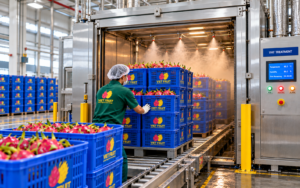
Vapour heat treatment is an important biosecurity measure for Vietnamese dragon fruit exports to Australia.
The process uses controlled heat and humidity to manage specified fruit fly risks. However, treatment must follow the applicable approved schedule and facility requirements.
Therefore, exporters should arrange treatment early in the shipment planning process.
A typical export workflow includes the following steps:
Select fruit from suitable growing areas.
Inspect fruit for damage, decay and visible pests.
Prepare the fruit according to the approved export procedures.
Arrange the required treatment at an appropriately approved facility.
Complete the necessary inspections and phytosanitary certification.
Pack and load the fruit according to the applicable import conditions.
In addition, exporters should maintain accurate treatment and traceability records. These records help demonstrate compliance and support shipment verification.
Nevertheless, treatment alone does not guarantee entry into Australia. The entire consignment must meet the applicable biosecurity conditions.
Quality Control for Dragon Fruit Exports
Quality control plays a major role in successful Vietnamese dragon fruit exports to Australia. Even when a shipment meets biosecurity requirements, poor fruit quality can result in commercial losses.
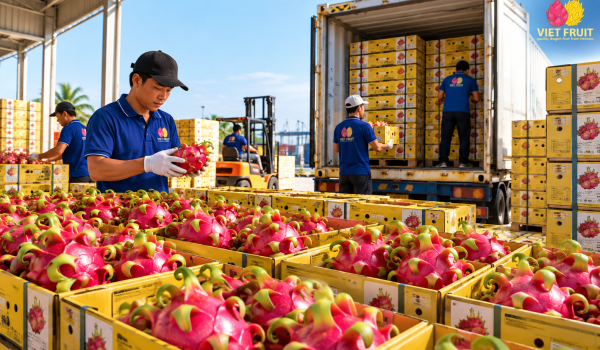
Therefore, exporters should inspect fruit throughout sourcing, packing and dispatch.
Fruit selection and grading
First, fruit should meet the buyer’s agreed specifications. These specifications may include weight, size, maturity, appearance and carton count.
Next, trained quality-control staff should check for:
Cuts, bruising and damaged skin.
Black spots, mould and signs of decay.
Mealybugs, insects and other visible pests.
Unsuitable maturity or ripeness.
Inconsistent fruit sizes or grading.
As a result, defective fruit can be removed before packing.
Pesticide residue management
Pesticide residue compliance is equally important. Australian food laws establish requirements for imported food, including applicable maximum residue limits (MRLs).
Consequently, exporters should work with responsible growers who maintain pesticide application records and follow appropriate agricultural practices.
Where appropriate, pre-harvest residue testing can identify potential problems before harvest. However, testing does not replace compliance with the applicable food standards.
At Viet Fruit Trading, we emphasise careful sourcing, traceability and attention to pesticide residue levels. Our goal is to help buyers source Vietnamese dragon fruit that meets their agreed quality specifications.
Packaging and Cold-Chain Logistics
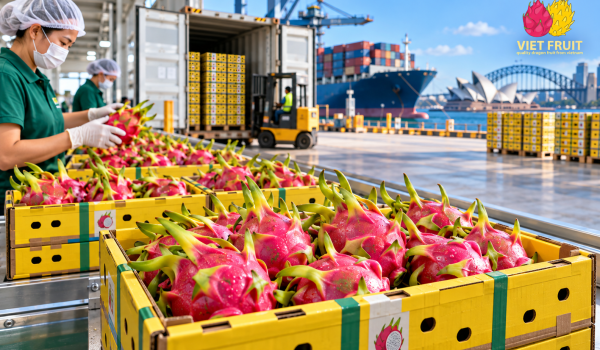
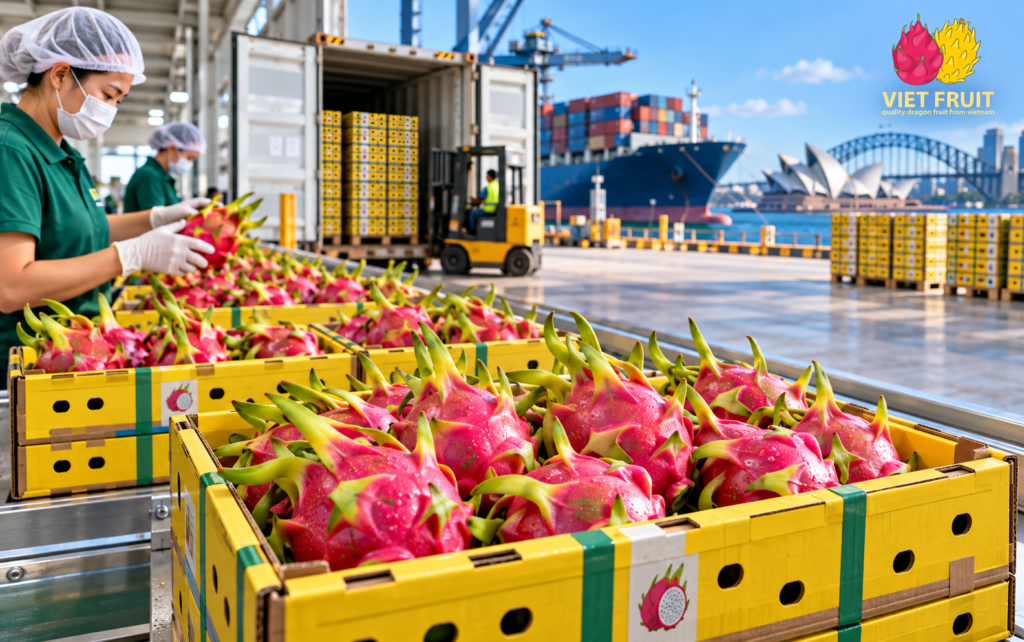
Suitable packaging protects dragon fruit during handling, transportation and distribution. Moreover, it helps maintain an attractive appearance when the fruit reaches the customer.
Exporters should select cartons that match the buyer’s requirements and the applicable Australian import conditions.
Good export packaging should:
Protect fruit against pressure and physical damage.
Support secure handling during loading and unloading.
Provide suitable ventilation where required.
Include the necessary identification and traceability information.
Support efficient loading into refrigerated containers.
Cold-chain management is equally important. Therefore, exporters and importers should agree on the temperature-management plan, storage arrangements and shipping schedule before dispatch.
Furthermore, careful handling helps reduce bruising, moisture-related problems and unnecessary quality deterioration.
Reliable refrigerated transport also helps preserve fruit quality throughout the journey. As a result, Australian buyers can plan their receiving and distribution operations more effectively.
Export Documentation for the Australian Market
Accurate documentation helps prevent avoidable delays. Therefore, the exporter and importer should coordinate their paperwork before the shipment leaves Vietnam.
Depending on the applicable import conditions, the required documents may include:
Commercial invoice.
Packing list.
Bill of lading.
Phytosanitary certificate.
Treatment records and required declarations.
Australian import permit, where required.
Supporting inspection and traceability records.
In addition, the parties should cross-check carton quantities, treatment details and container information.
Even small discrepancies can create delays during inspection or clearance. For this reason, a final document review should be part of every export procedure.
Importers should also confirm any additional requirements with their customs broker and the relevant Australian authorities.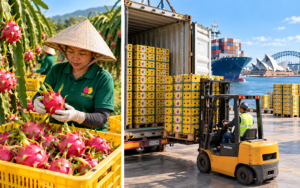
How to Choose a Vietnamese Dragon Fruit Exporter
Choosing the right Vietnamese dragon fruit exporter is essential for Australian importers. Although price matters, it should not be the only consideration.
Instead, buyers should evaluate the supplier’s quality standards, export experience, documentation procedures and ability to deliver consistently.
Before placing an order, ask the following questions:
Can the supplier meet the applicable Australian import conditions?
Can the supplier arrange the required biosecurity treatment?
Are fruit grading and packing specifications clearly defined?
Can the supplier provide the necessary export documents?
Does the supplier have suitable quality-control procedures?
Can the supplier maintain consistent quality across repeat orders?
Are pricing, payment terms and shipping schedules transparent?
Furthermore, reliable communication helps build a successful long-term partnership.
A dependable exporter should explain product specifications clearly and provide realistic delivery schedules. Equally important, the supplier should communicate promptly if shipment arrangements change.
For Australian importers, these factors can be more valuable than the lowest initial purchase price.
Viet Fruit Trading: Your Vietnamese Dragon Fruit Export Partner
Viet Fruit Trading Limited is a Vietnamese fresh fruit exporter specialising in international trade. Dragon fruit is one of our key products.
We focus on quality, careful sourcing and dependable service. In addition, we understand the importance of accurate documentation, suitable packaging and reliable shipping arrangements.
Our team works to supply fresh fruit according to agreed commercial specifications. We also prioritise traceability and attention to applicable export requirements.
We welcome enquiries from Australian importers, wholesalers and distributors looking for Vietnamese red-flesh or white-flesh dragon fruit.
Whether you need a quotation for an initial shipment or want to discuss a regular supply programme, we are ready to discuss your requirements.
Visit Viet Fruit Trading to learn more about our company and products.
How to Import Vietnamese Dragon Fruit to Australia
Importing fresh dragon fruit becomes easier when both parties follow a clear process.
Step 1: Define your requirements. Specify the variety, fruit size, carton weight, packaging and order quantity.
Step 2: Check Australian import conditions. Consult BICON and confirm the permit, treatment and documentation requirements for your consignment.
Step 3: Request an export quotation. Ask the supplier to confirm availability, pricing, specifications and estimated shipping schedules.
Step 4: Confirm quality standards. Agree on grading, inspection procedures, pesticide residue expectations and traceability.
Step 5: Arrange treatment and shipment. Coordinate the required biosecurity measures, phytosanitary certification, packing and refrigerated transport.
Step 6: Prepare for arrival. Ensure that the Australian importer or customs broker is ready to manage inspection and import clearance.
By following these steps, buyers can reduce avoidable risks. Furthermore, early coordination helps both parties manage costs, documentation and delivery schedules.
Conclusion: Vietnamese Dragon Fruit Export to Australia
Vietnamese dragon fruit export to Australia requires careful planning, consistent quality and strict attention to import conditions. However, with the right supplier and proper preparation, importers can establish a reliable supply of fresh Vietnamese dragon fruit.
Quality control, suitable treatment, accurate documentation and dependable logistics are all essential. Therefore, buyers should evaluate the entire supply chain rather than focus on price alone.
Looking for a Vietnamese dragon fruit exporter for Australia?
Contact Viet Fruit Trading to discuss your preferred variety, fruit specifications, packaging and order quantities.
Visit viet-fruit-trading.com to enquire about our Vietnamese dragon fruit export services.
Email: sales@viet-fruit-trading.com Hotline: (+84) 77 5055 568
Follow us on Facebook