Why Harvesting Dragon Fruit During Rainy Conditions Can Be Risky
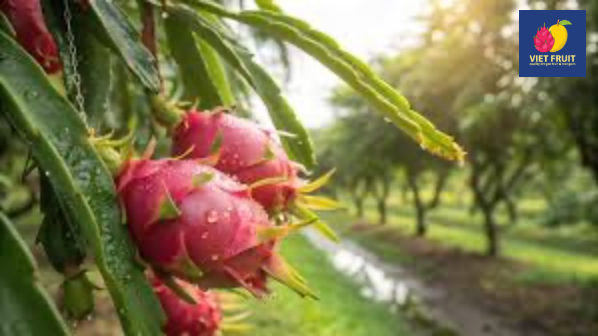
Dragon fruit is a highly perishable product that requires careful handling from the moment it is picked. Harvesting during rainfall or when fruit surfaces remain wet after a storm can create serious quality problems, especially for fruit intended for long-distance transportation and export markets.
12/30/20252 min read
Common symptoms may include:
Softening of the fruit skin
Mold development
Surface discoloration
Small white or pale lesions
Premature deterioration during storage
These problems become particularly severe when fruit remains enclosed in cartons or containers for extended periods.
How Rain Impacts Fruit Quality:
Rainfall can affect dragon fruit in several ways beyond simply leaving the surface wet.
Damage at the Stem End
Harvesting requires cutting the fruit from the plant, leaving a fresh wound at the stem attachment point. If rainwater enters this exposed area, tissue damage and discoloration may occur, increasing vulnerability to pathogens.
Increased Water Uptake
Wet fruit can absorb additional moisture, resulting in softer texture and reduced storage life. Excess water within the fruit often contributes to faster breakdown during transportation.
Microscopic Surface Injuries
Heavy rainfall can create tiny injuries on the fruit's outer skin. Although these wounds may not be visible to the naked eye, they provide entry points for fungi and bacteria that cause post-harvest diseases.
The Importance of Proper Harvest Timing
Whenever possible, harvesting should be scheduled during dry weather conditions. Monitoring weather forecasts allows growers to avoid unnecessary risks and maintain higher fruit quality. If rain is expected, delaying harvest until fruit surfaces have dried can significantly improve storage performance and reduce rejection rates in export markets.
Practical Solutions When Rain Harvesting Is Unavoidable
In some situations, continuous rainfall or urgent shipping schedules make harvesting unavoidable. When this occurs, rapid post-harvest management becomes essential.
1. Sort Fruit Immediately
After harvest, fruit should be transported promptly to the packing facility for inspection. Any fruit showing signs of damage, discoloration, or early decay should be separated from healthy fruit.
2. Clean the Fruit Thoroughly
Washing helps remove rainwater residues, dirt, and potential contaminants from the fruit surface. Proper sanitation reduces the microbial load before packing.
3. Apply Protective Treatments
Post-harvest coatings such as chitosan-based treatments can help form a protective barrier on the fruit surface. These coatings may reduce moisture loss and help limit pathogen entry through minor skin injuries.
4. Ensure Complete Drying
Perhaps the most important step is drying the fruit completely before packaging. Fans, drying rooms, or controlled airflow systems can help eliminate residual moisture that may otherwise encourage disease development.
Conclusion
Harvesting dragon fruit during rainy weather can increase the risk of decay, shorten shelf life, and reduce overall market value. Moisture-related infections, stem-end damage, and microscopic skin injuries all contribute to faster deterioration after harvest. By implementing careful sorting, cleaning, protective treatments, and thorough drying procedures, growers and exporters can significantly reduce losses and preserve fruit quality even when weather conditions are less than ideal.
Why Harvesting Dragon Fruit During Rainy Conditions Can Be Risky
Dragon fruit is a highly perishable product that requires careful handling from the moment it is picked. Harvesting during rainfall or when fruit surfaces remain wet after a storm can create serious quality problems, especially for fruit intended for long-distance transportation and export markets.
Understanding the risks associated with wet harvesting can help growers and exporters reduce post-harvest losses and maintain product quality.
Moisture Creates Ideal Conditions for Decay
One of the biggest challenges of harvesting rain-soaked dragon fruit is the increased likelihood of fungal and bacterial infections. Excess surface moisture provides favorable conditions for microorganisms to develop and spread.
When affected fruit is packed together, decay can quickly move from one fruit to another during storage and transportation. What begins as a small infected area can eventually lead to significant losses throughout an entire shipment.
Address
KM 26, Minh Hoa Village
Ham Thuan Nam
Binh Thuan
Vietnam
About us
Behind every shipment is a dedicated team of growers, manufacturers and export specialists who share a passion for Vietnam's fruit and products.
@ Copyrights 2024 Viet Fruit Trading Limited
Connect with us
sales@viet-fruit-trading.com
+ 84 77 5055 568 (WhatsApp)
disclamer - contact us - FAQ - follow us